
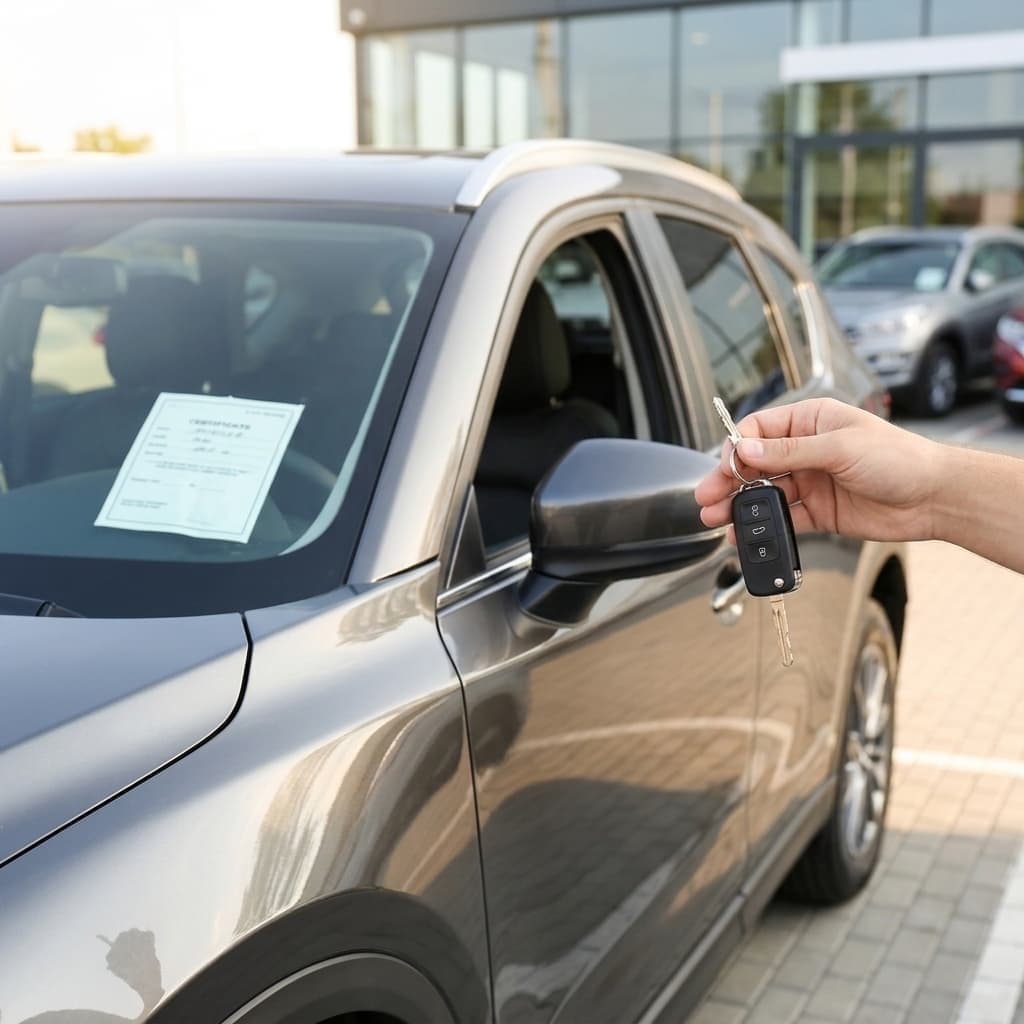
Comprar un vehículo nuevo cambia la cuestión del seguro de una manera en que la compra de un auto usado por lo general no lo hace. El auto vale más, casi siempre está financiado y el prestamista le pone condiciones al préstamo que deciden su cobertura por usted. Para un comprador de Oklahoma City, lo único que conviene resolver antes de firmar es la cobertura: un vehículo nuevo normalmente necesita cobertura completa vigente desde el momento en que usted lo recibe, y tenerla lista con anticipación es lo que hace que salir manejando de la agencia sea legal y seguro. Save Money Car Insurance emite pólizas en toda la zona metropolitana de OKC, donde conviene tener lista la cobertura de un auto nuevo antes de recibirlo.
Lo que el Prestamista Exige en el Momento en que Usted Financia un Auto Nuevo
Cuando un vehículo está financiado, el prestamista tiene un interés económico en él hasta que se pague el préstamo, y ese interés viene con un requisito de cobertura. Casi todo préstamo o arrendamiento de auto exige cobertura completa—integral y de colisión además de responsabilidad civil—para que la inversión del acreedor prendario quede protegida si el auto se choca, lo roban o se declara pérdida total. Esto no es opcional como sí lo es en un auto ya pagado; está escrito en el contrato de préstamo, y dejar que la cobertura venza puede provocar que el prestamista contrate un seguro costoso por su cuenta. El acreedor prendario que aparece en su póliza debe coincidir exactamente con el prestamista tal como lo indica el papeleo del préstamo, o el banco puede no aceptar la cobertura como comprobante.
Ese requisito es la razón por la que las cuentas de cobertura en un vehículo nuevo no se parecen en nada a las de uno viejo. Un auto de diez años sin préstamo puede circular legalmente solo con responsabilidad civil, pero un vehículo recién financiado tiene tanto las reglas del prestamista como un alto valor de reemplazo empujando hacia la cobertura completa. Cumplir con el mínimo de responsabilidad civil de Oklahoma de 25/50/25—$25,000 por persona y $50,000 por accidente para lesiones corporales, más $25,000 para daños materiales, según lo establece el Departamento de Seguros de Oklahoma—satisface al estado, pero no satisface el préstamo por sí solo.
Cobertura Integral y de Colisión: Las Dos Coberturas en las que se Apoya un Vehículo Nuevo
La cobertura completa en un auto nuevo se reduce a dos añadidos. La cobertura de colisión cubre los daños a su propio vehículo cuando usted tuvo la culpa, algo que importa más cuando ese vehículo vale lo que vale uno nuevo. La cobertura integral se encarga de las pérdidas que no son choques—robo, incendio, una rama que cae y granizo—y en la zona metropolitana de Oklahoma City esta última no es hipotética. La temporada de tormentas de primavera trae granizo a la zona con regularidad, y un vehículo nuevo estacionado en una entrada o en un lote descubierto de una agencia es exactamente lo que la cobertura integral está pensada a proteger. Juntas, la cobertura integral y la de colisión son lo que la mayoría de la gente entiende por cobertura completa, y el deducible que les asigne determina cuánto de cada reparación paga usted antes de que la póliza tome el relevo.
Como el valor de un vehículo nuevo es alto al principio, la elección del deducible pesa mucho. Un deducible más bajo significa más protección de su bolsillo en un auto por el que todavía debe dinero, mientras que uno más alto reduce la prima; y poder ver ambas versiones del precio antes de comprometerse es parte de armar una cobertura que realmente se ajuste al vehículo en lugar de un paquete genérico.
Cómo Tener la Cobertura Lista Antes de Salir de la Agencia
Una agencia por lo general no entrega un vehículo financiado hasta tener en mano el comprobante de seguro, así que el objetivo práctico es tener una póliza lista el mismo día. Ahí es donde ayuda una cotización anónima en línea: un precio real en unos 60 segundos, sin llamada telefónica y sin revisión de crédito, con el comprobante de cobertura disponible al instante a cualquier hora, en lugar de esperar una llamada de vuelta mientras el papeleo se atora. Los compradores de la zona metropolitana de OKC pueden comparar niveles de cobertura y ver la cifra antes de estar parados en el escritorio de financiamiento, lo cual es mucho menos estresante que resolverlo en el momento.
Si ya tiene una póliza, agregar el vehículo nuevo a ella muchas veces resulta más barato que empezar una aparte. Un descuento por múltiples vehículos con frecuencia baja el costo total cuando dos autos están en la misma póliza, así que un hogar que agrega un auto nuevo a uno existente puede no ver subir la prima tanto como esperaba. Comparar la cobertura disponible en Oklahoma City en una sola póliza combinada frente a dos por separado es la forma más rápida de ver cuál sale realmente más barata.
Cuando la Cobertura Completa de un Auto Nuevo Aprieta el Presupuesto
La cobertura completa cuesta más que la responsabilidad civil, y en un vehículo nuevo esa diferencia puede apretar un presupuesto ya exigido por el pago del auto. Hay una alternativa que vale la pena conocer antes de suponer que está obligado a pagar una prima alta en otro lado. Cuando la cobertura completa no es accesible, podemos emitir una cobertura de responsabilidad civil y orientarlo hacia el Seguro de Protección de Garantía (Collateral Protection Insurance) a través de su acreedor prendario, una póliza que el prestamista agrega para proteger su propio interés en el vehículo. Combinar nuestra responsabilidad civil con el CPI del prestamista muchas veces sale más barato que comprar cobertura completa con otra compañía o directamente con el prestamista, y mantiene el préstamo en regla mientras usted se estabiliza.
Esta no es la respuesta correcta para todos: un conductor que puede pagar cómodamente una cobertura completa debería tenerla, ya que protege su propio capital en el auto, no solo el del prestamista. Pero para un comprador apretado por el pago durante el primer año, es una forma legítima de cumplir con el préstamo sin sobrepasarse.
Preguntas de Conductores de Oklahoma City Sobre el Seguro para Vehículos Nuevos
¿Necesito cobertura completa en un auto nuevo en Oklahoma City? Si el auto está financiado o arrendado, casi con seguridad sí: el prestamista exige cobertura integral y de colisión además del mínimo de responsabilidad civil de 25/50/25 de Oklahoma. Si compró el vehículo de contado sin préstamo, la cobertura completa es opcional, aunque por lo general vale la pena tenerla en un auto nuevo dado su valor de reemplazo.
¿Puedo asegurar un vehículo nuevo el mismo día que lo compro? Sí. Puede obtener una cotización real en línea en unos 60 segundos, sin llamada telefónica ni revisión de crédito, y tener el comprobante de cobertura al instante, que es lo que una agencia necesita antes de entregar un vehículo financiado.
¿Es más barato agregar un auto nuevo a mi póliza actual? Muchas veces, sí. Un descuento por múltiples vehículos puede bajar el costo total de asegurar dos autos en una sola póliza, así que agregar el vehículo nuevo a una póliza vigente con frecuencia resulta más barato que abrir una aparte.
¿Qué pasa si no puedo pagar la cobertura completa de mi auto nuevo financiado? Podemos emitir una cobertura de responsabilidad civil y recomendarle que consulte si el Seguro de Protección de Garantía a través de su acreedor prendario es una opción. Combinar la responsabilidad civil con el CPI del prestamista muchas veces es una forma más barata de cumplir con el préstamo que comprar cobertura completa en otro lado.