
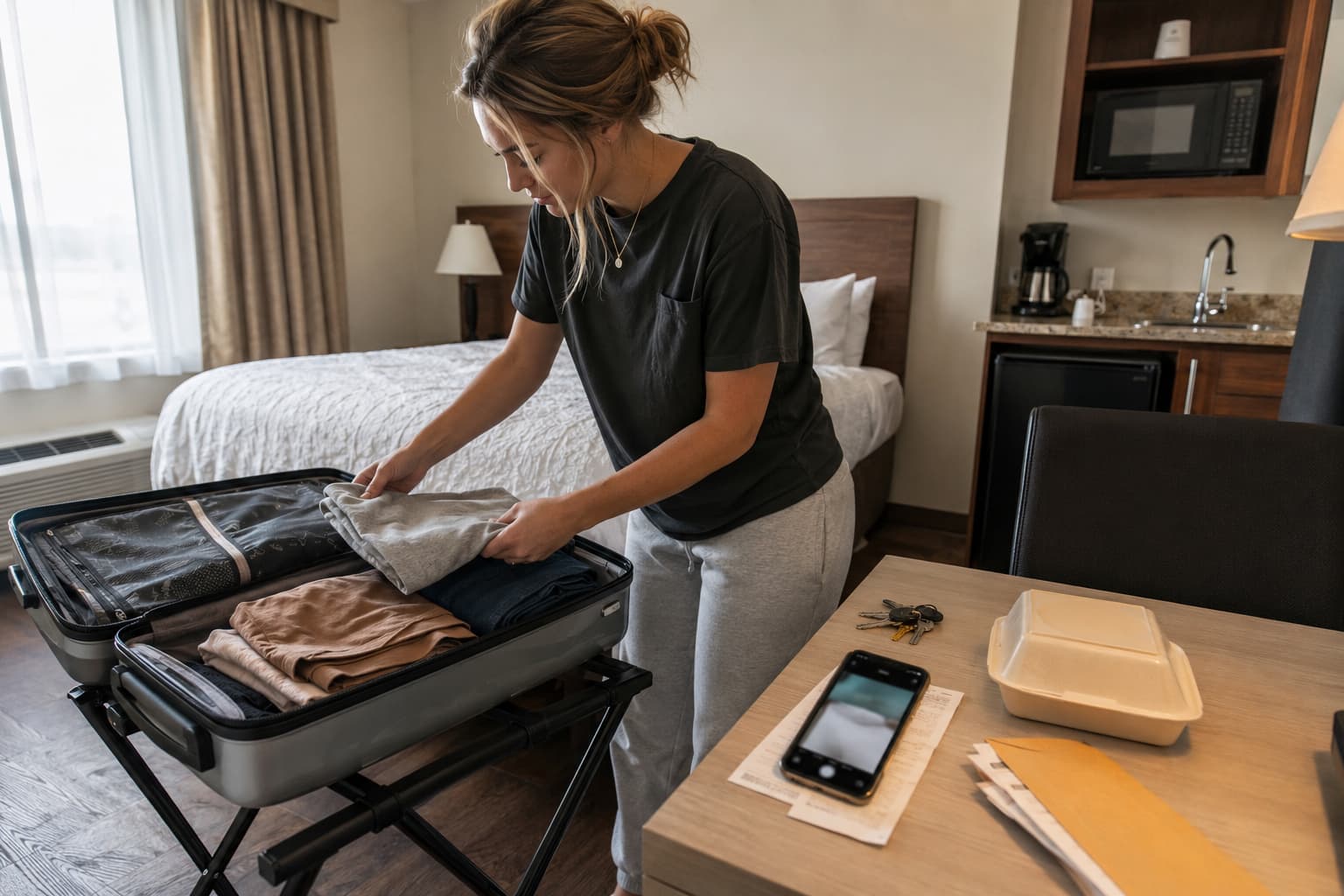
A fire, heavy smoke, or covered water damage can make an apartment impossible to live in while repairs are underway. Even when the damage is temporary, the renter may suddenly need a hotel, meals away from home, laundry service, or a longer drive to work.
This is where loss-of-use coverage may help.
Loss of use is a part of many renters insurance policies that may cover certain additional living expenses when a covered event forces you to live somewhere else. It does not automatically pay every bill during the move, but it may help with the reasonable expenses you would not normally have.
If you cannot stay in your apartment, contact your insurance company early, ask what your policy covers, and begin saving your receipts.
What Makes an Apartment Temporarily Unlivable?
An apartment generally needs to be unsafe or unsuitable for normal living—not simply inconvenient.
For example, you may need to leave because:
- A fire caused significant smoke or structural damage
- Covered water damage left the apartment without usable rooms or utilities
- Repairs cannot be completed safely while you remain inside
- Local authorities temporarily prevent residents from entering the building
The cause of the damage matters. Loss-of-use coverage typically applies when the apartment becomes unlivable because of an event covered by the renters policy.
That is why it is best to report the situation instead of deciding on your own whether it qualifies. The insurance company can review the damage, the cause, and the terms of your policy.
Contact Your Insurance Company Before Making Long-Term Arrangements
Your first priority should always be getting somewhere safe. Once the immediate situation is under control, contact your landlord and insurance company as soon as you can.
Tell the claims representative:
- What happened
- When the damage occurred
- Whether you can safely remain in the apartment
- Where you are currently staying
- How long the landlord expects repairs to take, if known
Before booking an extended hotel stay or temporary rental, ask how the insurer wants you to handle those arrangements. The company may have guidelines for the type of lodging, nightly cost, approval process, and documents it needs.
A few useful questions include:
- Does my policy’s loss-of-use coverage apply?
- How much coverage is available?
- Is there a time limit?
- Does temporary lodging need to be approved first?
- Which expenses should I track?
- How and when will reimbursement be issued?
Writing down the answers can make it easier to manage the claim while you are away from home.
Which Extra Expenses May Be Covered?
Loss-of-use coverage is commonly associated with hotel bills or temporary rentals, but the help may extend to other reasonable increases in your living costs.
Depending on the policy and circumstances, qualifying expenses could include:
- A hotel or short-term rental
- Additional meal expenses
- Laundry costs
- Extra transportation expenses
- Temporary pet boarding
- Moving or storage expenses
The important word is additional. Coverage generally looks at how much more you are spending because you cannot live in your apartment.
For example, suppose you normally spend $350 each month on groceries. After moving into a hotel without a kitchen, you spend $600 on meals. The additional expense is $250—not necessarily the entire $600.
The same idea may apply to transportation. If your temporary lodging adds to your normal commute, the additional cost could be relevant to the claim. Your claims representative can explain how the company calculates and documents that difference.
Save Receipts From the Beginning
A small purchase may not seem important at the time, but those added costs can accumulate during several days or weeks away from home.
Save receipts for:
- Hotel stays and temporary rentals
- Restaurant meals and groceries
- Laundry service
- Parking, tolls, and additional transportation
- Pet boarding
- Moving supplies or storage
- Other expenses approved by the insurance company
Create one digital folder for the claim and photograph each receipt as soon as you receive it. Include a short note explaining the expense, especially when its connection to the displacement may not be obvious.
It can also help to save records of your regular expenses. Previous grocery receipts, transportation costs, or bank statements may help demonstrate how much your spending increased after leaving the apartment.
Keep your spending reasonable and stay in contact with the claims representative. A more expensive purchase is not automatically covered simply because it occurred while you were displaced.
What Does the Landlord Handle?
The landlord’s insurance and your renters insurance serve different purposes.
The landlord generally handles repairs to the apartment building, including covered damage to its walls, roof, plumbing, or other parts of the structure. The landlord’s policy usually does not cover your personal belongings or automatically pay your temporary living expenses.
Your renters policy may address:
- Covered damage to your belongings
- Qualifying additional living expenses
- Other protection included in your policy
Keep communicating with the landlord about access, repairs, and the expected timeline. That information can help your insurance company understand how long temporary arrangements may be necessary.
Questions about whether rent remains due are usually governed by the lease, the circumstances, and applicable law—not the renters insurance policy alone. Ask the landlord for written information and seek qualified local assistance if there is a disagreement.
What If the Damage Is Not Covered?
Being unable to stay in the apartment does not automatically activate loss-of-use coverage. The reason you had to leave generally must be connected to a covered event.
A standard renters policy may treat different types of water damage differently, for example. Sudden accidental water damage may be handled differently from flooding, sewer backup, maintenance problems, or water that entered over time.
Report the incident and allow the insurance company to review it. If coverage is unavailable, ask for a clear explanation based on the policy.
Understanding what is included in a renters insurance quote before an emergency can also help you see the available loss-of-use limit and important exclusions.
How Long Will Loss-of-Use Coverage Help?
Loss-of-use coverage is not unlimited. Policies may place a dollar limit, time limit, or both on additional living expenses.
Coverage may end when:
- The apartment is repaired and becomes livable
- You permanently relocate
- You reach the applicable coverage limit
- You reach the maximum covered period
- Another condition in the policy applies
Ask about these limits at the beginning of the claim. If repairs are taking longer than expected, update the claims representative before your temporary lodging ends or your expenses change.
What to Do When You Cannot Stay in Your Apartment
When an apartment suddenly becomes unlivable, use this checklist:
- Make sure everyone has reached a safe location.
- Notify the landlord or property manager.
- Contact your renters insurance company.
- Ask whether loss-of-use coverage applies.
- Confirm lodging guidelines, limits, and covered expenses.
- Save every receipt and invoice.
- Keep records of conversations and approvals.
- Follow the repair timeline with the landlord.
- Tell the claims representative if your circumstances change.
Prepare Before You Need the Coverage
Loss-of-use coverage can make an unexpected move more manageable, but it helps to understand the coverage before anything happens.
When reviewing renters insurance, look for the loss-of-use or additional-living-expense limit. Ask how temporary lodging is handled, which expenses may qualify, and what documentation the company expects.
Save Money Car Insurance can help Oklahoma renters review available renters insurance and understand the coverage included in a quote.
Frequently Asked Questions
Does renters insurance pay for a hotel when an apartment is unlivable?
It may. If a covered event makes the apartment unlivable, loss-of-use coverage may help pay for reasonable temporary lodging. The available amount, time period, and approval requirements depend on the policy and claim.
Will renters insurance pay for all my meals while I am displaced?
Usually, the focus is on the additional cost above what you normally spend on food. Save your receipts and ask the claims representative how meal expenses will be calculated.
Should I contact the insurance company before booking a hotel?
Get somewhere safe first. Then contact the company promptly and ask about lodging guidelines before making a longer-term reservation. Advance communication can help you choose an arrangement that fits the policy’s requirements.
How long will renters insurance cover additional living expenses?
The answer depends on the policy. Coverage may be limited by a dollar amount, a period of time, the reasonable repair period, or other policy terms.
Do I still have to pay rent while my apartment is being repaired?
Renters insurance does not determine your obligation to pay rent. That question may depend on your lease, the condition of the apartment, the circumstances, and applicable law. Request written information from the landlord and seek qualified local help when necessary.