
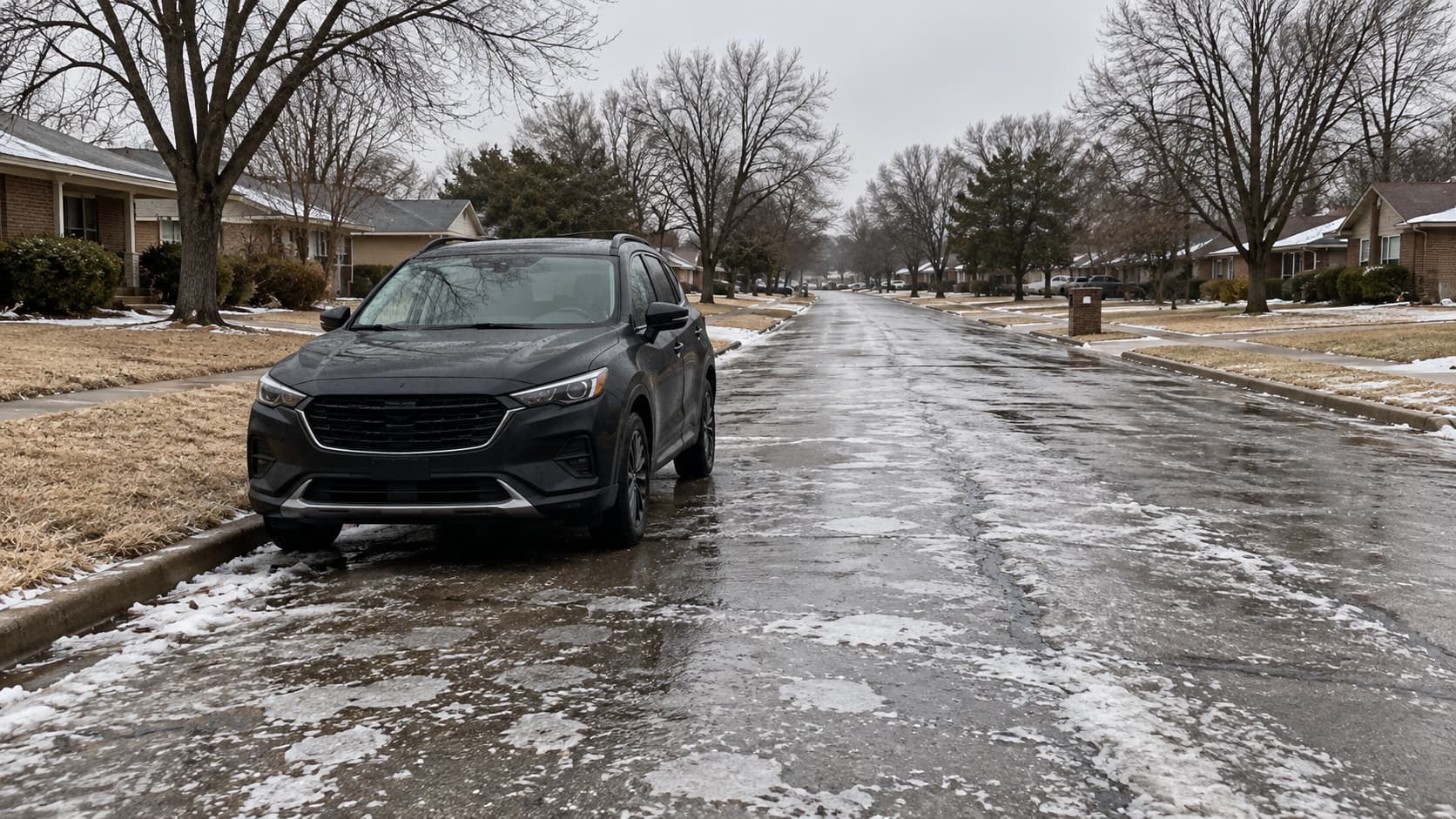
Oklahoma could be heading into a wetter-than-normal winter, according to the latest seasonal outlook from the National Oceanic and Atmospheric Administration (NOAA). With a strong El Niño influencing weather patterns across the southern United States, forecasters are anticipating increased precipitation during the 2026–27 winter season.
The outlook comes after a January 2026 winter storm that caused significant travel problems across Oklahoma. According to Oklahoma’s January 26 winter storm situation update, state officials reported 421 motorist assists and 249 injury and non-injury collisions as of January 25. Even after the storm ended, melting snow continued refreezing into black ice, keeping road crews busy.
For Oklahoma vehicle owners, the approaching winter offers an opportunity to prepare before snow, ice, or freezing rain arrives. From reviewing car insurance coverage to checking vehicle conditions, here are five things worth taking care of now.
What Does Oklahoma’s 2026–27 Winter Forecast Show?
On October 15, NOAA released its 2026–27 U.S. Winter Outlook, covering December through February.
The forecast favors wetter-than-average conditions across much of the southern United States, including the Southern Plains. A strong El Niño is expected to influence weather patterns throughout the season.
However, a wetter winter doesn’t necessarily mean Oklahoma will receive more snow or experience severe ice storms. The type of precipitation will depend on temperatures and individual weather systems.
That’s an important consideration in a state where winter conditions can change quickly.
During the January 2026 storm, the Oklahoma Department of Transportation reported that fluctuating temperatures caused snow to melt and refreeze overnight, creating black ice even after the initial storm had passed.
While this winter’s exact conditions remain uncertain, there are several ways vehicle owners can prepare ahead of time.
1. Check What Your Car Insurance Covers Before Winter Damage Occurs
Before winter arrives, one of the most important things to check is whether your current insurance covers damage to your own vehicle.
Consider two situations:
- An ice-covered tree branch breaks and falls onto a car parked outside a Tulsa apartment complex.
- A driver loses control on an icy road and strikes a guardrail.
Both incidents involve winter weather, but different insurance coverages would generally apply.
Comprehensive insurance typically covers damage from falling ice, tree limbs, and other covered storm-related hazards. Collision coverage generally applies when your vehicle strikes another vehicle or object, including accidents caused by slippery roads.
If you currently carry liability-only insurance, repairs to your own vehicle generally wouldn’t be covered in either situation.
Before temperatures drop, check your declarations page to confirm which coverages you currently have. If you’re considering full coverage car insurance in Oklahoma, review the available comprehensive and collision options to understand how your vehicle could be protected during winter.
2. Check Your Deductibles and Insurance Options Before the First Storm
If you’re shopping for car insurance or thinking about updating your current policy, the weeks before winter are a good time to review your options.
Start with your comprehensive and collision deductibles.
These are the amounts you’re generally responsible for paying toward an eligible covered loss before insurance pays the remaining covered costs.
For instance, you might have a $500 comprehensive deductible but a $1,000 collision deductible. Knowing those amounts can help you understand your potential out-of-pocket expenses after an accident or winter storm.
When reviewing insurance options, consider two things:
- Deductibles: How much would you be responsible for after a covered loss?
- Effective date: When will your selected coverage actually begin?
You can also review how full coverage deductibles work before making a decision.
One important detail: New or updated coverage must be approved and effective before damage occurs. Adding comprehensive coverage after an ice storm won’t cover damage that happened earlier.
3. Check Where Your Vehicle Will Be Parked During Winter Weather
A parking spot that’s normally safe can become a problem during an Oklahoma ice storm. Freezing rain can weigh down tree branches until they break, while ice falling from rooftops or other structures can damage windshields, hoods, and roofs.
Vehicles parked outdoors at apartment complexes, workplaces, and residential properties may be particularly exposed to these hazards.
Before freezing rain arrives, look for overhanging branches, nearby roof edges, and other objects that could fall onto your vehicle. If a safer parking space or covered area is available, move your car before conditions become hazardous.
Taking this precaution ahead of a storm can help reduce the risk of damage while your vehicle is parked.
4. Check Your Tires, Battery, and Windshield Before Temperatures Drop
Oklahoma’s sudden temperature changes can affect vehicle performance, even without heavy snowfall. Cold weather can lower tire pressure, strain an aging battery, and make it harder to maintain clear visibility.
These are some of the concerns addressed in NHTSA’s winter driving recommendations. Before the first freeze, focus on four essential checks:
- Tires: Check tread condition and tire pressure, especially after a significant temperature drop.
- Battery: Test an aging battery or have it inspected if your vehicle has been slow to start.
- Windshield and wipers: Replace worn blades, check the defroster, and use washer fluid rated for freezing temperatures.
- Cooling system: Make sure the coolant level and mixture meet your vehicle manufacturer’s recommendations.
Keep an ice scraper, flashlight, warm blanket, and phone charger in your vehicle as well. These supplies can be especially helpful if winter weather leaves you stranded or delayed.
5. Check Oklahoma Road Conditions Before Winter Travel
Even with your vehicle prepared, Oklahoma road conditions can change quickly. Melting snow can refreeze overnight, creating hazardous conditions even after precipitation ends.
Bridges, ramps, and overpasses are especially vulnerable because they can freeze before surrounding roads.
For a clearer picture of conditions before leaving home, Drive Oklahoma’s road-condition reports and traffic cameras provide updates that can help you identify potential hazards along your route.
A few precautions can also help during winter travel:
- Allow extra time: Reduce your speed and leave more distance between vehicles.
- Watch for refreezing: Use extra caution on bridges, overpasses, and shaded roads, especially during early morning commutes.
- Adjust travel plans: If roads become hazardous, consider delaying unnecessary trips until conditions improve.
Checking current road conditions before leaving home can help you make safer travel decisions as Oklahoma’s winter weather changes.
Prepare Your Car Insurance Before Oklahoma Winter Arrives
With forecasters favoring a wetter winter across the Southern Plains, now is a good opportunity to review your insurance before the first major storm.
Save Money Car Insurance offers liability and full coverage options throughout Oklahoma, with online quotes available to help you review coverage that fits your vehicle and budget.
Check your current policy, explore available options, and make any needed changes before winter weather arrives.