
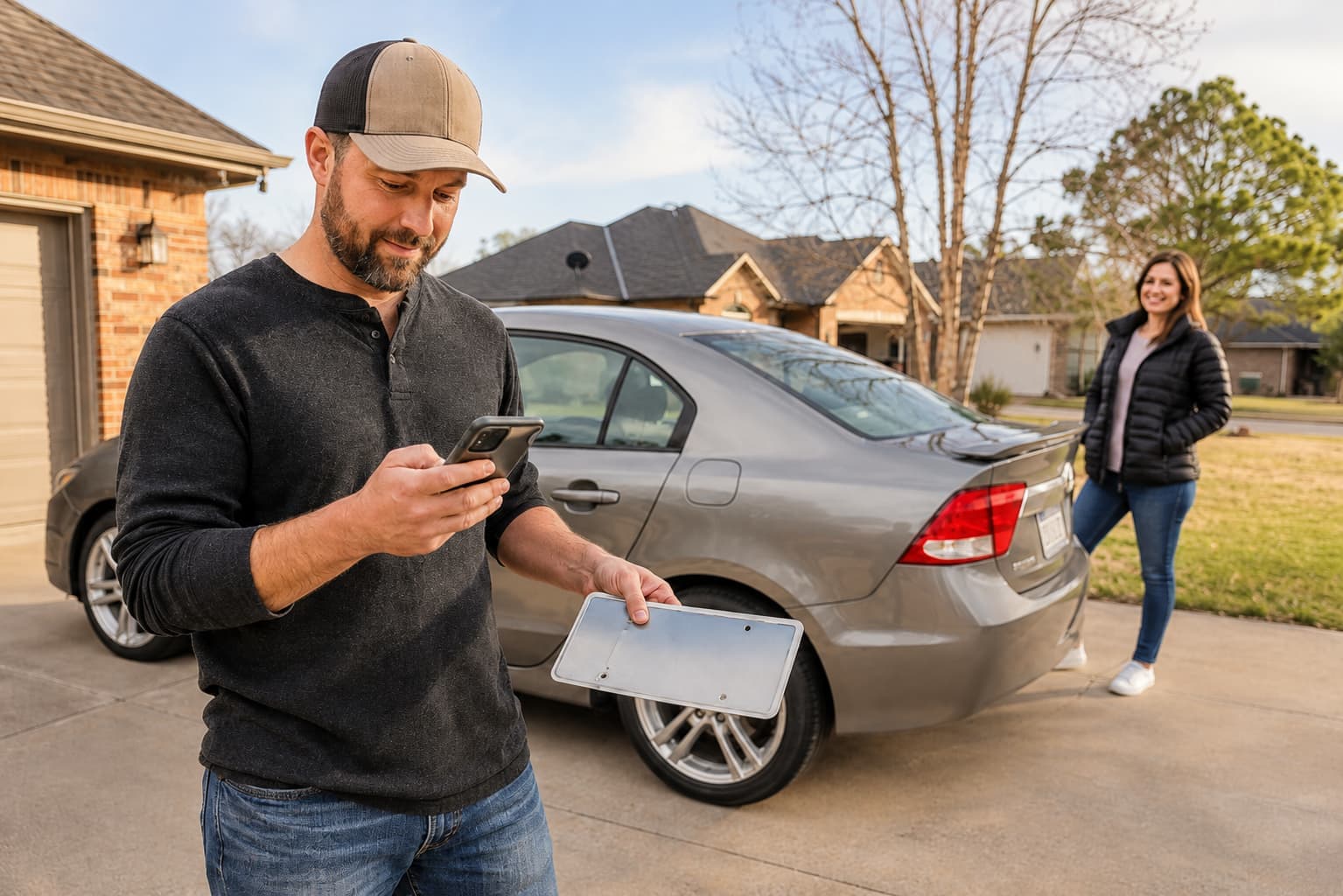
Vender un vehículo también implica decidir cuándo debe quitarlo de su póliza de seguro de auto.
Una vez que la venta esté completa y usted ya no sea el dueño ni maneje el vehículo, comuníquese con su compañía de seguros para que lo quiten de su póliza.
El momento es importante. El vehículo debe permanecer asegurado mientras usted siga siendo el dueño o lo use, incluso si un comprador ya aceptó adquirirlo. Sin embargo, una vez completada la transacción, su póliza debe actualizarse para reflejar que el vehículo ya no es suyo.
Si el vehículo que vendió era su único auto, hay otra pregunta que considerar: ¿seguirá necesitando seguro antes de comprar su próximo vehículo?
Espere Hasta Que la Venta Esté Completa
Un acuerdo para comprar el vehículo no significa necesariamente que la venta esté completa.
Es posible que el comprador haya dejado un depósito, que aún falte finalizar el papeleo o que el vehículo siga en su posesión. Si usted todavía es el dueño o lo usa, mantenga el seguro vigente.
Una vez que la venta esté completa y el vehículo se haya transferido al comprador, comuníquese con su compañía de seguros y proporcione la fecha de venta. Su aseguradora puede explicarle qué información se requiere para quitar el vehículo de su póliza y cuándo entrará en vigor el cambio.
Antes de llamar, conviene tener a la mano la siguiente información:
- Año, marca y modelo
- VIN
- Fecha de venta
- Número de póliza
- Información sobre cualquier otro vehículo que siga en la póliza
Guarde también una copia del papeleo de la venta. Sirve como constancia de cuándo cambió de dueño el vehículo si más adelante surgen preguntas.
¿Qué Pasa Si el Auto que Vendió Era Su Único Vehículo?
Si todavía tiene otro vehículo asegurado, quitar el auto vendido puede requerir simplemente actualizar la póliza existente.
Vender su único vehículo es distinto, porque tendrá que considerar si espera seguir manejando.
Puede que planee quedarse sin vehículo durante varios meses. Puede que ya esté buscando un reemplazo. O puede que de vez en cuando pida prestado o rente un vehículo mientras consigue otro auto.
Si ya no es dueño de un vehículo pero aun así espera manejar vehículos que no le pertenecen, vale la pena considerar el seguro de auto para no propietarios.
Una póliza para no propietarios está diseñada para conductores que no tienen un vehículo propio pero aun así necesitan cobertura de responsabilidad civil cuando manejan ciertos vehículos que no son suyos. Es algo distinto a mantener un vehículo vendido dentro de una póliza existente.
¿Va a Comprar Otro Auto Pronto? Avísele a Su Aseguradora
Si espera reemplazar el vehículo pronto, informe a su compañía de seguros.
Por ejemplo, puede que venda su vehículo actual un lunes y planee comprar otro ese fin de semana. El vehículo vendido debe quitarse de la póliza una vez completada la venta, pero su aseguradora también debe saber que pronto podría agregarse otro vehículo.
Cuando compre el vehículo de reemplazo, prepárese para proporcionar información como:
- VIN
- Año, marca y modelo
- Fecha de compra
- Dónde se guardará el vehículo
- Conductores
- Información del acreedor prendario, si el vehículo está financiado
Oklahoma exige comprobante de seguro como parte del registro de un vehículo recién comprado.
Recuerde los Requisitos de Oklahoma Después de la Venta
Actualizar su seguro es solo una parte de completar la venta de un vehículo en Oklahoma.
También hay algunos pasos específicos del estado que los vendedores deben tener en cuenta.
Conserve Su Placa de Oklahoma
Las placas de Oklahoma por lo general se quedan con el dueño del vehículo y no con el vehículo en sí.
Cuando venda un auto, quite su placa antes de que el comprador tome posesión.
Si más adelante compra otro vehículo, la placa podría ser elegible para transferirse cuando se cumplan los requisitos aplicables.
Este paso es fácil de pasar por alto durante una venta privada, sobre todo cuando uno está concentrado en el pago, el papeleo del título y la entrega de las llaves.
Considere Presentar un Aviso de Transferencia
Service Oklahoma también ofrece un Aviso de Transferencia (Notice of Transfer), que le permite al vendedor reportar que un vehículo ha sido vendido.
El Aviso de Transferencia por sí solo no transfiere la propiedad. Más bien, deja constancia de que el vendedor reportó la venta.
Para las transacciones privadas de vehículos, Oklahoma también cuenta con un proceso de pre-registro que puede iniciar tanto el comprador como el vendedor.
Guarde también copias de sus documentos de venta. Los registros claros pueden ser útiles si más adelante surgen dudas sobre cuándo cambió la propiedad.
¿Qué Pasa Si el Comprador Aún No Ha Registrado el Vehículo?
Los plazos de registro del comprador no determinan necesariamente cuánto tiempo debe permanecer el vehículo vendido en su seguro.
Una vez que la venta se haya completado, comuníquese con su aseguradora y proporcione la fecha de venta. Siga las instrucciones de la aseguradora para quitar el vehículo y entregue documentación si se la solicitan.
Por el lado del estado, conserve su placa, guarde sus registros de venta y complete los pasos aplicables de Service Oklahoma.
Las responsabilidades de registro del comprador y su póliza de seguro son partes distintas de la transacción.
¿Podría la Venta del Auto Cambiar Su Factura de Seguro?
Sí. Quitar un vehículo de una póliza puede cambiar el monto que usted debe.
El ajuste exacto depende de factores como su aseguradora, su póliza, la fecha en que entra en vigor el cambio, su calendario de pagos y si quedan otros vehículos asegurados.
El cambio podría resultar en un ajuste a un pago futuro, un crédito a su cuenta, un reembolso u otro cambio en la facturación.
Cuando se comunique con la aseguradora, pregunte cómo afectará su saldo actual el hecho de quitar el vehículo.
Si pagó su prima por adelantado, es especialmente importante confirmar esto.
Si queda otro vehículo en la póliza, revise después los documentos actualizados de la póliza para asegurarse de que los vehículos restantes, los conductores y la información de la póliza sean correctos.
Haga que la Actualización del Seguro Sea Parte de la Venta
Actualizar su seguro debe ser uno de los pasos finales después de vender un vehículo.
Una vez completada la transacción:
- Quite su placa de Oklahoma.
- Guarde copias de sus documentos de venta.
- Comuníquese con su compañía de seguros.
- Proporcione la fecha en que se vendió el vehículo.
- Explique si todavía tiene otro vehículo o si planea comprar uno pronto.
Si el vehículo vendido era su único auto y usted aún espera manejar, pregunte si el seguro de auto para no propietarios podría ajustarse a su situación.
El objetivo es asegurarse de que su póliza refleje los vehículos que actualmente posee y la forma en que planea manejar después de la venta.
¿Necesita Ayuda con Su Seguro de Auto en Oklahoma City?
La venta de un vehículo puede cambiar la cobertura que usted necesita, sobre todo si ya no tiene un auto pero aún planea manejar.
Save Money Car Insurance puede ayudarle a revisar sus opciones, incluido el seguro de auto para no propietarios, y a encontrar una cobertura que se ajuste a su situación actual.
Obtenga hoy una cotización de Save Money Car Insurance y asegúrese de contar con la cobertura adecuada antes de volver a la carretera.
Preguntas Frecuentes
¿Cuándo debo quitar de mi seguro un auto que vendí?
Comuníquese con su compañía de seguros una vez que la venta esté completa y usted ya no sea el dueño ni maneje el vehículo. Su aseguradora puede explicarle qué información necesita y cuándo entrará en vigor el cambio.
¿Debo quitar el auto antes de que el comprador lo recoja?
No. Si usted todavía es el dueño o usa el vehículo, mantenga el seguro vigente. Espere hasta que la venta esté completa y el vehículo se haya transferido al comprador.
¿Me quedo con mi placa cuando vendo un auto en Oklahoma?
Sí. Las placas de Oklahoma por lo general se quedan con el dueño y no con el vehículo. Quite su placa antes de que el comprador tome posesión del auto.
¿Puedo dejar mi auto viejo en la póliza hasta que compre otro?
Una vez que el vehículo se haya vendido, avísele a su aseguradora. Si espera comprar otro vehículo pronto, explique sus planes para que la aseguradora pueda decirle cómo manejar el periodo entre un vehículo y otro.
¿Qué es un Aviso de Transferencia de Oklahoma?
Un Aviso de Transferencia le permite al vendedor notificarle a Service Oklahoma que un vehículo ha sido vendido. El aviso por sí solo no transfiere la propiedad.
¿Qué pasa si el comprador aún no ha registrado el auto?
Guarde sus registros de venta y comuníquese con su compañía de seguros con base en la fecha en que se completó la venta. Las responsabilidades de registro del comprador son independientes de la actualización de su póliza de seguro.