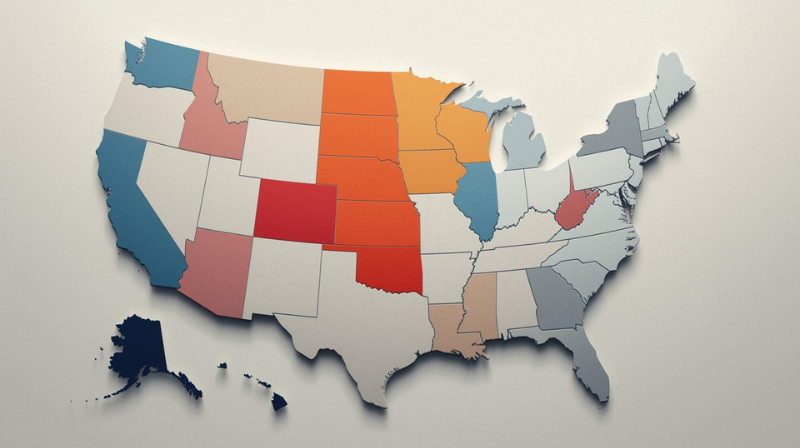
Insurance in Oklahoma is not the same as insurance in California, Florida, or Texas.
The risks are different.
The weather is different.
The legal system is different.
Even commuting patterns and rural driving exposure are different.
That means Oklahoma insurance requires a state-specific understanding.
Whether you’re searching for affordable coverage, comparing providers, evaluating auto insurance requirements, reviewing homeowners’ protection, or trying to understand why your rates increased, this guide explains how Oklahoma insurance works — and how to make smarter, more strategic decisions about your protection.
For most residents, auto insurance is the most common and legally required form of coverage. But understanding the broader insurance environment in Oklahoma helps you choose better protection overall.
Let’s start with the big picture.
The Oklahoma Insurance Landscape
Oklahoma has a unique insurance environment shaped by geography, climate volatility, population density differences, and state-level regulation.
Several factors make Oklahoma distinct:
- High frequency of hailstorms and tornadoes
- Large rural driving population
- Heavy commuting in Tulsa and Oklahoma City
- Higher-than-average uninsured motorist rates
- An at-fault auto insurance system
- Credit-based insurance scoring
These factors influence how insurers assess risk, calculate premiums, and structure policy options.
Insurance pricing is not random. It reflects historical claims data, actuarial forecasting, and projected exposure risk across the state.
Understanding those patterns helps explain:
- Why rates differ between cities
- Why comprehensive coverage is so important here
- Why uninsured motorist coverage is often recommended
- Why your premium may increase even without filing a claim
The Four Forces That Shape Oklahoma Insurance Rates
Instead of thinking of insurance as just a monthly bill, think of it as a reflection of four major forces operating across the state.
Force #1: Weather & Natural Risk
Oklahoma consistently ranks among the top states for hail and tornado activity. Severe convective storms are common during spring and early summer.
Weather impacts nearly every major insurance category:
Auto Insurance:
- Hail damage to vehicles
- Flooded engines
- Broken windshields
- Total losses from tornado debris
Homeowners Insurance:
- Roof damage
- Structural wind damage
- Water intrusion
- Detached structure destruction
Business Insurance:
- Inventory damage
- Operational interruptions
- Property claims
When insurers pay out large volumes of storm-related claims, that risk becomes factored into statewide pricing models.
This is why comprehensive auto coverage and adequate dwelling protection are particularly important in Oklahoma.
Force #2: Driving Risk & Accident Patterns
Oklahoma operates under an at-fault auto insurance system. The driver responsible for causing an accident pays for damages through their insurance.
Driving risk includes:
- Urban congestion in Tulsa — our guide to simplifi car insurance in Tulsa, OK explains how local traffic patterns, weather risks, and commuting routes can influence insurance rates for drivers in the metro area.
- Interstate traffic around Oklahoma City
- Long rural highway exposure
- Higher deer collision rates
- Distracted driving trends
- Uninsured motorists
Uninsured drivers create added systemic risk. When uninsured motorists cause accidents, insured drivers may rely on uninsured motorist coverage. This increases claim frequency across insurers.
Force #3: Demographics & Credit-Based Rating
Insurers use multiple data points to calculate risk:
- Age
- Driving history
- Claims history
- Vehicle type
- ZIP code
- Credit-based insurance score
In Oklahoma, insurers are legally permitted to use credit-based insurance scoring as part of underwriting. While controversial, this practice is common nationwide.
Statistically, drivers with higher insurance scores tend to file fewer claims, which affects premium calculations.
Younger drivers, drivers with traffic violations, and drivers with prior accidents generally pay more due to increased statistical risk.
Force #4: Legal Requirements & Regulation
The Oklahoma Insurance Department regulates providers operating within the state.
Insurers must:
- Be licensed
- Meet solvency standards
- File rate structures
- Follow coverage mandates
- Maintain consumer complaint procedures
For auto insurance, Oklahoma requires minimum liability coverage of:
- $25,000 bodily injury per person
- $50,000 bodily injury per accident
- $25,000 property damage
Drivers must carry proof of insurance at all times.
Penalties for driving uninsured may include:
Car Insurance Without a Driver’s License in Oklahoma
Some drivers face an additional challenge when searching for coverage: they may not currently have a valid driver’s license. Suspensions, DUIs, or other legal issues can make obtaining insurance more complicated. However, it is still possible to obtain auto insurance quotes with no driver's license under certain circumstances.
Drivers without a license are often classified as high-risk by insurers, which can limit coverage options and increase premiums. Situations such as DUI convictions, license suspensions, multiple traffic violations, or inexperienced drivers can make obtaining coverage more complicated.
However, some insurance providers offer specialized policies designed for these situations. Options may include non-owner insurance policies, high-risk driver coverage, or policies that insure the vehicle while another licensed driver is listed as the primary operator.
Working with insurance specialists or agencies experienced in high-risk coverage can help drivers compare options and find more affordable solutions.
For a detailed explanation of coverage options, eligibility requirements, and tips for reducing costs, read our full guide on auto insurance quotes with no drivers license.
Major Types of Insurance in Oklahoma
While auto insurance is legally mandatory, most Oklahoma households carry multiple forms of coverage.
Let’s break them down.
Auto Insurance in Oklahoma (Primary Coverage Category)
Auto insurance is the most commonly purchased and regulated form of coverage in Oklahoma.
It can be viewed in four protection layers.
Required Protection: Liability Coverage
Liability coverage pays for:
- Injuries you cause to others
- Damage to another person’s property
- Legal defense costs in covered claims
It does NOT cover your own vehicle.
Minimum coverage satisfies the law — but may not fully protect your financial assets in a serious accident.
Financial Protection: Collision & Comprehensive
Collision coverage:
Pays for damage to your vehicle after an accident, regardless of fault. (5 Myths About Cheap Full Coverage Car Insurance Oklahoma Drivers Need To Know)
Comprehensive coverage:
Protects against non-collision events including:
- Hail
- Tornado damage
- Flooding
- Theft
- Fire
- Deer collisions
Given Oklahoma’s weather and wildlife exposure, comprehensive coverage is often strongly recommended.
Risk Protection: Uninsured / Underinsured Motorist
Protects you if another driver:
- Has no insurance
- Does not carry sufficient coverage
With higher uninsured driver rates in Oklahoma, this coverage can be financially critical.
Optional Add-Ons
- Roadside assistance
- Rental reimbursement
- Gap insurance
- New car replacement
These increase premiums slightly but add convenience and peace of mind.
How Much Does Insurance Cost in Oklahoma?
Costs vary significantly depending on risk factors. Drivers in larger cities often see different pricing patterns compared with smaller communities due to traffic density, accident frequency, and theft rates. For example, our guide to cheap car insurance in Tulsa, OK and what local drivers are paying in 2026 explains how premiums vary across one of the state’s largest metropolitan areas.
Let’s examine each major category.
Auto Insurance Cost Factors
Your premium may be influenced by:
- Age
- Driving record
- Credit-based insurance score
- Vehicle type
- ZIP code
- Coverage limits
- Deductible selection
Urban drivers often pay more due to higher claim frequency. Younger drivers typically face higher premiums due to increased statistical risk.
Understanding how accidents influence a driver insurance quote after an accident is part of the broader insurance environment in the state. For a complete overview of coverage requirements and risk factors, read our guide to Oklahoma insurance and how protection works across the state.
Homeowners Insurance Cost Factors
Oklahoma home insurance pricing is influenced by:
- Roof age and material
- Wind and hail deductibles
- Proximity to fire services
- Claims history
- Square footage
- Construction type
Storm deductibles are common in Oklahoma policies.
Renters Insurance Costs
Renters insurance is generally affordable but may vary based on:
- Location
- Personal property value
- Liability limits
Business Insurance Costs
Business insurance depends on:
- Industry risk
- Payroll size
- Commercial vehicle use
- Claims history
Construction, contracting, and storm-related industries often carry higher risk ratings.
Homeowners Insurance in Oklahoma
Homeowners insurance is particularly important in a state known for severe storms.
Standard policies typically cover:
- Dwelling
- Personal property
- Liability
- Additional living expenses
However, they may exclude:
- Flood damage
- Earth movement
- Maintenance-related damage
Flood insurance requires a separate policy in most cases.
Wind and hail deductibles are common and may differ from standard deductibles.
Understanding these details is critical when comparing policies.
Renters Insurance in Oklahoma
Renters insurance protects:
- Personal belongings
- Liability exposure
- Temporary living expenses after a covered loss
Landlords insure the building — not your belongings.
Storm damage, theft, and fire are common covered events.
Renters insurance is often overlooked but can provide meaningful protection at a relatively low monthly cost.
Life Insurance in Oklahoma
Life insurance provides financial protection for dependents.
Common types include:
- Term life insurance
- Whole life insurance
- Universal life policies
Cost factors include:
- Age
- Health history
- Tobacco use
- Coverage amount
Life insurance planning is separate from auto or home coverage but remains a critical part of long-term financial protection.
Business Insurance in Oklahoma
Small businesses across Oklahoma rely on:
- General liability
- Commercial auto
- Workers’ compensation
- Property insurance
- Professional liability
Storm exposure and commercial vehicle use are especially relevant in Oklahoma.
Contractors and service providers often require tailored coverage.
Regional Differences Within Oklahoma
Insurance costs can vary significantly depending on where you live.
Urban Areas
Cities such as Oklahoma City and Tulsa often experience:
- Higher auto accident frequency
- Increased theft rates
- Higher repair costs
As a result, premiums in metro areas may be higher than rural regions.
Rural Areas
Rural drivers may see:
- Lower traffic density
- Reduced collision frequency
- Increased deer-related accidents
Property owners in rural areas may face different fire protection classifications depending on proximity to fire services.
Comparing Insurance Providers in Oklahoma
When evaluating insurance companies, consider:
- Financial strength ratings
- Customer satisfaction reviews
- Claims responsiveness
- Policy flexibility
- Available discounts
Price is important — but claims service and long-term reliability are equally critical.
Discount Opportunities
Common discounts may include:
- Bundling home and auto policies
- Multi-vehicle discounts
- Safe driver discounts
- Defensive driving course completion
- Home security system credits
- Roof impact-resistant upgrades
Discount availability varies by insurer.
Future Insurance Trends in Oklahoma
Several trends may shape insurance markets in coming years:
- Increasing storm severity and frequency
- Rising construction and vehicle repair costs
- Telematics and usage-based insurance programs
- Advanced driver assistance systems
- Climate-related underwriting adjustments
These factors may influence premium pricing and coverage availability.
Frequently Asked Questions
Is full coverage required in Oklahoma?
No. Only liability coverage is legally required. However, lenders may require collision and comprehensive coverage if you finance a vehicle.
Is flood insurance included in homeowners policies?
No. Flood insurance typically requires a separate policy.
Why are premiums increasing?
Premium increases may be influenced by inflation, repair costs, storm frequency, and claim trends.
Can credit affect my rate?
Yes. Oklahoma insurers may use credit-based insurance scores as part of rating calculations.
Final Thoughts
Insurance in Oklahoma is shaped by weather risk, legal requirements, demographic factors, and economic conditions.
Auto insurance remains the primary regulated coverage, but homeowners, renters, life, and business policies also play essential roles in financial protection.
Understanding coverage options, risk factors, and policy structures allows consumers to make informed decisions and select protection aligned with their needs.