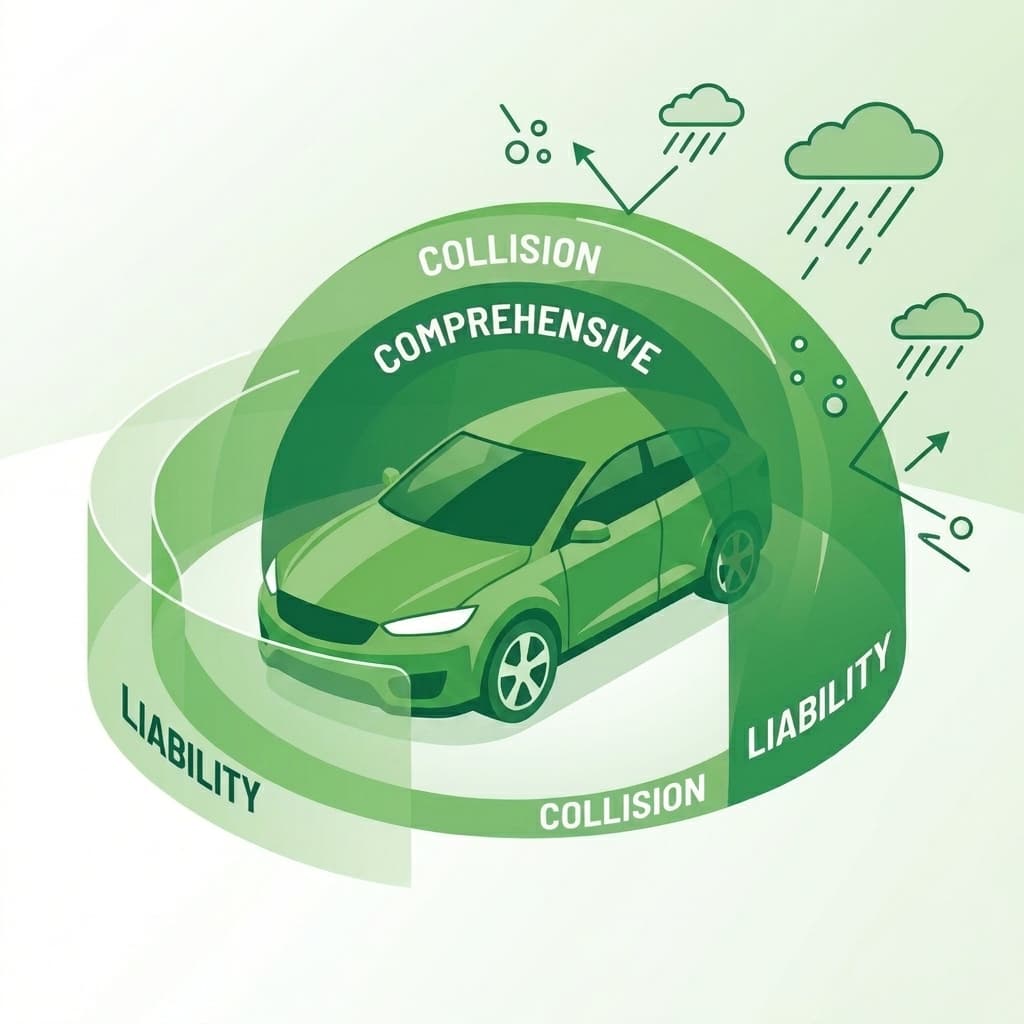
Full Coverage Car Insurance in Tulsa: What’s Actually Included?
Many drivers in Tulsa hear the term “full coverage car insurance” when shopping for a policy, financing a vehicle, or comparing quotes online. But despite how common the phrase is, many Oklahoma drivers are still unclear about what full coverage actually includes — and what it does not.
Full coverage car insurance is not a separate insurance policy or legally defined coverage type in Oklahoma. Instead, it usually refers to a combination of coverages that help protect drivers financially after accidents, vehicle damage, theft, hailstorms, vandalism, and other covered events.
For Tulsa drivers, understanding full coverage matters because Oklahoma weather, highway driving, rising repair costs, and financed vehicles can all affect the type of protection you may want on your policy.
This guide explains what full coverage insurance typically includes in Tulsa, how it works, what it usually does not cover, and why many Oklahoma drivers choose it for additional financial protection.
What Does Full Coverage Car Insurance Include in Tulsa?
Full coverage car insurance in Tulsa usually includes:
- Liability insurance
- Collision coverage
- Comprehensive coverage
Liability insurance helps pay for injuries or property damage you cause to other people. Collision coverage helps repair your vehicle after an accident. Comprehensive coverage helps protect against non-collision damage like hail, theft, vandalism, flooding, falling debris, and storm damage.
In Oklahoma, full coverage is not legally required by the state. However, lenders and leasing companies often require drivers to carry full coverage on financed vehicles.
Quick Summary: What Full Coverage Usually Includes
| Coverage Type |
What It Usually Covers |
| Liability Insurance |
Injuries or property damage you cause to others |
| Collision Coverage |
Damage to your vehicle after an accident |
| Comprehensive Coverage |
Hail, theft, storms, vandalism, fire, flooding, falling objects |
| Uninsured Motorist Coverage (Optional) |
Protection if another driver has little or no insurance |
| Medical Payments Coverage (Optional) |
Certain medical expenses after covered accidents |
What Is Full Coverage Car Insurance?
“Full coverage” is a general insurance term used to describe broader protection beyond Oklahoma’s minimum liability requirements.
A standard full coverage policy usually combines:
- Liability coverage
- Collision coverage
- Comprehensive coverage
Together, these coverages help protect:
- Other drivers and vehicles
- Your own vehicle
- Damage caused by accidents and non-collision events
One of the most common misconceptions among Tulsa drivers is believing that full coverage means “everything is covered.” In reality, all auto insurance policies still have:
- coverage limits,
- deductibles,
- exclusions,
- and policy conditions.
That’s why understanding exactly what your policy includes is important before filing a claim or purchasing coverage.
What Liability Insurance Covers in Oklahoma
Liability insurance is the minimum coverage required by Oklahoma law. It helps pay for damage or injuries you cause to other people if you are found at fault in an accident.
Oklahoma minimum liability limits currently include:
- Bodily injury liability per person
- Bodily injury liability per accident
- Property damage liability
Liability insurance may help pay for:
- Damage to another vehicle
- Medical bills for another driver or passengers
- Damage to buildings, fences, mailboxes, or signs
- Certain legal expenses related to covered accidents
However, liability insurance does not pay to repair your own vehicle.
For example, if you rear-end another driver on Highway 75 in Tulsa and only carry liability coverage, your policy may help pay for the other driver’s damages — but repairs to your own vehicle would generally not be covered.
That is one reason many Oklahoma drivers choose collision and comprehensive coverage as part of a full coverage policy.
What Collision Coverage Includes
Collision coverage helps pay to repair or replace your vehicle after an accident involving another vehicle or object, regardless of fault.
This portion of a full coverage policy focuses on protecting your own vehicle after a crash.
Collision coverage may help pay for:
- Accidents involving another vehicle
- Hitting a guardrail or pole
- Single-vehicle accidents
- Rollover accidents
- Damage caused by potholes or road hazards
In Tulsa, collision claims commonly occur on:
- I-44
- Broken Arrow Expressway
- Highway 169
- Memorial Drive
- Busy parking lots and intersections
Even relatively minor accidents can result in expensive repairs due to modern vehicle technology, cameras, sensors, and replacement parts.
Most collision coverage includes a deductible. A deductible is the amount you pay out of pocket before insurance helps cover the remaining repair costs.
If repair costs exceed the vehicle’s actual cash value, the insurance company may declare the vehicle a total loss.
What Comprehensive Coverage Includes
Comprehensive coverage helps protect against vehicle damage caused by events other than collisions.
For many Tulsa drivers, this is one of the most important parts of full coverage because Oklahoma weather can be unpredictable throughout the year.
Comprehensive coverage may help pay for:
- Hail damage
- Tornado or windstorm debris
- Flooding
- Fire damage
- Vehicle theft
- Vandalism
- Broken windshields
- Falling tree limbs
- Hitting a deer or other animal
Tulsa drivers frequently experience severe spring weather, hailstorms, and high winds that can cause costly vehicle damage in a matter of minutes.
Because of Oklahoma’s weather patterns, comprehensive claims involving hail damage and broken glass are especially common throughout the state.
Comprehensive coverage also typically includes a deductible before claim payments apply.
Does Full Coverage Cover Hail Damage in Tulsa?
In many cases, yes.
Hail damage is usually covered under comprehensive coverage, which is one reason many Tulsa drivers choose full coverage insurance.
Depending on the policy details, comprehensive coverage may help pay for:
- Dent repair
- Windshield replacement
- Body damage caused by hail
- Storm-related falling debris
Because Oklahoma experiences frequent severe weather and hailstorms, comprehensive coverage can be especially important for protecting newer vehicles.
What Full Coverage Insurance Does NOT Cover
One of the biggest misconceptions about full coverage insurance is assuming it covers every possible situation.
Even with full coverage, certain expenses and damages are still excluded.
Full coverage insurance typically does not pay for:
- Mechanical breakdowns
- Routine maintenance
- Oil changes
- Tire wear
- Engine failure unrelated to an accident
- Wear and tear
- Personal belongings stolen from inside the vehicle
- Intentional damage
- Commercial or rideshare use without proper endorsements
For example, if your transmission fails because of age or mechanical wear, full coverage insurance generally would not pay for repairs.
Similarly, if personal items like laptops, phones, or tools are stolen from inside your vehicle, your auto insurance policy may not cover those belongings directly.
Understanding exclusions is just as important as understanding what a policy includes.
Common Misconceptions About Full Coverage Insurance
“Full coverage means everything is covered.”
Not true. Every policy still has limits, exclusions, deductibles, and situations that may not qualify for coverage.
“Oklahoma requires full coverage.”
Oklahoma only legally requires liability insurance. Full coverage is optional unless required by a lender or leasing company.
“Full coverage covers mechanical repairs.”
Auto insurance is designed for sudden covered losses — not normal maintenance or mechanical wear.
“Rental cars are automatically covered.”
Coverage for rental vehicles depends on your policy details and optional endorsements.
“Full coverage includes uninsured motorist coverage automatically.”
Uninsured motorist coverage may be optional depending on the policy and insurer.
Is Full Coverage Required in Tulsa, Oklahoma?
No. Oklahoma law only requires drivers to carry liability insurance.
However, full coverage is often required when:
- Financing a vehicle
- Leasing a vehicle
- Carrying a loan with a lienholder
Lenders usually require collision and comprehensive coverage because the vehicle serves as collateral for the loan.
Once the loan is paid off, some Tulsa drivers choose to reevaluate whether maintaining full coverage still makes financial sense based on the vehicle’s value and condition.
Who Usually Chooses Full Coverage Insurance in Tulsa?
Full coverage insurance is commonly chosen by:
- Drivers with financed vehicles
- Owners of newer cars or trucks
- Daily commuters
- Drivers living in hail-prone areas
- Drivers concerned about theft or vandalism
- Families wanting broader financial protection
Tulsa drivers who regularly commute on busy highways or own higher-value vehicles often prefer the added protection that full coverage can provide.
Drivers with older vehicles may sometimes choose liability-only coverage depending on the vehicle’s actual cash value and repair costs.
Does Full Coverage Mean You’re Fully Protected?
Not necessarily.
Even with full coverage insurance, policyholders still need to understand:
- Deductibles
- Coverage limits
- Exclusions
- Claim conditions
- Optional endorsements
Some Tulsa drivers choose to add optional protections such as:
- Rental reimbursement
- Roadside assistance
- Gap insurance
- Medical payments coverage
- Uninsured motorist coverage
These optional coverages can help fill certain gaps depending on the driver’s needs and how the vehicle is used.
Because every policy is different, reviewing your coverage details carefully is important before assuming a claim will automatically be covered.
Frequently Asked Questions
Is full coverage required in Oklahoma?
No. Oklahoma only legally requires liability insurance. However, lenders often require full coverage on financed vehicles.
Does full coverage cover hail damage in Tulsa?
In many cases, yes. Hail damage is usually covered under comprehensive coverage.
What is the difference between liability and full coverage?
Liability insurance helps cover damage or injuries you cause to others. Full coverage typically includes liability, collision, and comprehensive coverage for broader protection.
Does full coverage include uninsured motorist coverage?
Not always. Uninsured motorist coverage may be optional depending on the insurer and policy.
Does full coverage cover theft?
In many cases, yes. Vehicle theft is usually covered under comprehensive coverage.
Does full coverage cover another driver using my car?
Coverage can depend on your policy details, permissions given to the driver, and the circumstances of the accident.
Final Thoughts: Understanding What “Full Coverage” Really Means
Full coverage car insurance in Tulsa is designed to provide broader financial protection than minimum liability coverage alone. While it is not an official insurance type, it commonly combines liability, collision, and comprehensive coverage to help protect drivers after accidents, hailstorms, theft, vandalism, and other covered events.
For Oklahoma drivers, understanding what full coverage includes — and what it does not include — can help prevent confusion when choosing an auto insurance policy or filing a claim.
Before purchasing coverage, it’s important to understand:
- what protections are included,
- what deductibles apply,
- what exclusions exist,
- and which optional coverages may fit your needs.
The better you understand your policy, the easier it becomes to choose protection that fits your vehicle, driving habits, and financial situation in Tulsa and throughout Oklahoma.
Need Help Finding the Right Full Coverage Insurance in Tulsa?
Understanding full coverage is important — but choosing the right policy matters just as much.
At Save Money Car Insurance, we help Tulsa drivers compare coverage options, understand what’s actually included, and find protection that fits their vehicle and budget.
Whether you drive a financed car, commute daily through Tulsa traffic, or simply want better protection against Oklahoma storms and hail damage, our local team can help you explore your options with less confusion and no pressure.